

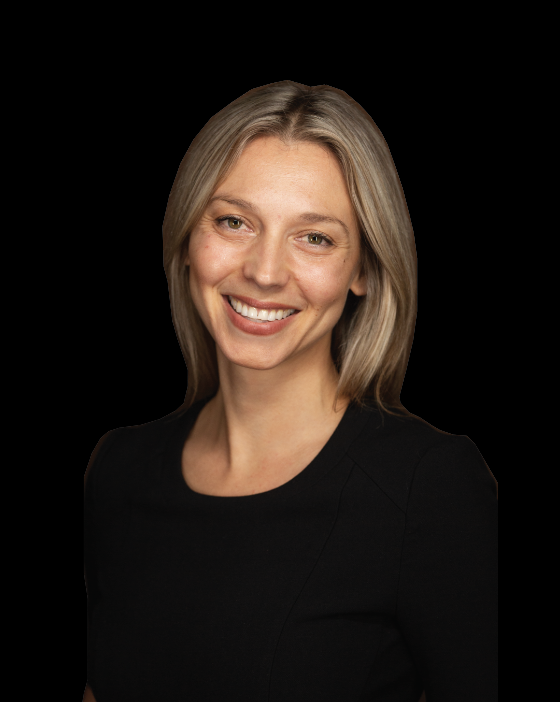
I specialize in solving complex problems. From an early age, I thrived in complexity — the more complex the problem the better. I could always see clearly how all the pieces fit together. I've always been able to easily translate that complexity into simplicity.
By training, I am an infectious disease epidemiologist and modeller. I have spent nearly two decades working on solving some of the world's most complex problems, in some of the most complex places. I have shaped national-level policy and action in countries such as Pakistan and Afghanistan, and global policy and strategy at the World Health Organization (WHO). I hold a PhD in infectious disease epidemiology from Imperial College London, with a focus on modelling transmission of poliovirus in Pakistan and Afghanistan.
I have also created: PAKPANI, a social enterprise with the aim to ensure all households in Pakistan have access to clean drinking water through a sustainable, community-focused framework; CTOS, a complex problem solving framework to empower others to solve complex problems; Understanding Polio Fundamentals, a technical handbook to empower implementers in the field; and Global Health Evaluations (GHE), a consulting firm providing expert evaluations and strategy for global health programmes to optimise their impact.
Hi, I'm NATALIA MOLODECKY, PhD
I have worked at all levels of decision-making— from global, to regional, to national, and field-levels. I’ve advised on global policy, assessed regional plans, devised national strategies, and supported implementation in the field. I bridge the rigour of my technical (academic and policy) background, with the practical application of my operational field experience. This, coupled with my strong desire to empower others, especially communities, enables me to create practical strategies that can be successfully implemented.
I grew up at the intersection of art and analytical thinking. While I made the choice to go into a highly analytical field, it seemed that whatever I did, the creative side of me would seep through. At the time, I didn't see a place for it in my highly analytical world — thinking I needed to choose one or the other. I spent my life being pulled in these two directions—one analytical, and the other creative. You may say that I’ve been searching for a balance between these my entire life. I thought I needed to choose one or the other.
But it turns out that I much prefer to live as the bridge between worlds — complex and simple, academic/policy and field implementation, analytical and creative.
What sets me apart:
Recently, I evaluated the global withdrawal of OPV2, one of the largest global public health interventions in history, impacting more than 155 countries. The evaluation resulted in more stringent criteria for future withdrawal efforts.
Since this evaluation, I have co-founded an evaluation firm called Global Health Evaluations (GHE) that conducts high impact evaluations of global health programmes and initiatives in complex settings.
I wrote a book on Understanding Polio Fundamentals, aimed at turning the complex technical principles that drive the largest public health initiative, into simple and easy to understand information, with the intention to empower the true heroes of this global effort — those working in the field — with the knowledge and information not easily accessible to them.
I have also developed a simple, easy to apply framework for solving complex problems, that turns noise into clarity, and complexity into simplicity. It is called the CTOS Framework and Book, and is linked with the firm I've established called CTOS (Complexity to Simplicity), to empower people to solve the complex problems in their work and lives.
While based in Pakistan, I created a social enterprise called PAKPANI focusing on bringing access of clean drinking water to under-served communities using a sustainable and accountable framework, that supports long-term solutions to Pakistan's water crisis, female employment and economic growth.
Some of my key projects:
What I do:
Evaluate global health programmes through Global Health Evaluations (GHE).
Empower people to solve complex problems in their work and lives, through CTOS (Complexity to Simplicity). Certify Master Trainers on the CTOS Framework for complex problem solving.
Translate the technical fundamental of polio into a simple easy to understand way that is accessible to all, through Understanding Polio Fundamentals.
Support community access to clean drinking water using a sustainable, community focused framework, through PAKPANI.
Provide technical and strategic consulting on global health programmes, polio eradication, and complex problem solving.
Speak on topics related to: complex problem solving, global health programmes, community access to basic fundamental needs, creation of social enterprises, and polio eradication.
Things I believe to be true:
Smart simple solutions are always better than complicated ones. While innovation has a role to play, often it is the simplest solutions (based on a smart holistic strategy) that have the greatest impact.
It is possible to develop strategies that maximize benefit to all stakeholders, including communities. The community perspective is often missing from the table, and only by raising this voice are strategies implemented effectively and with long term success.
Business can serve the needs of community, while also maximizing profits. Both are not mutually exclusive. Business can be an incredible tool to help communities improve their quality of life, and enable them to share their gifts with the world.
Everyone, everywhere, simply wants to be seen, heard and valued. When you give people these three basic things, magic happens!
info@nataliamolodecky.com
© 2025. All rights reserved.

www.nataliamolodecky.com